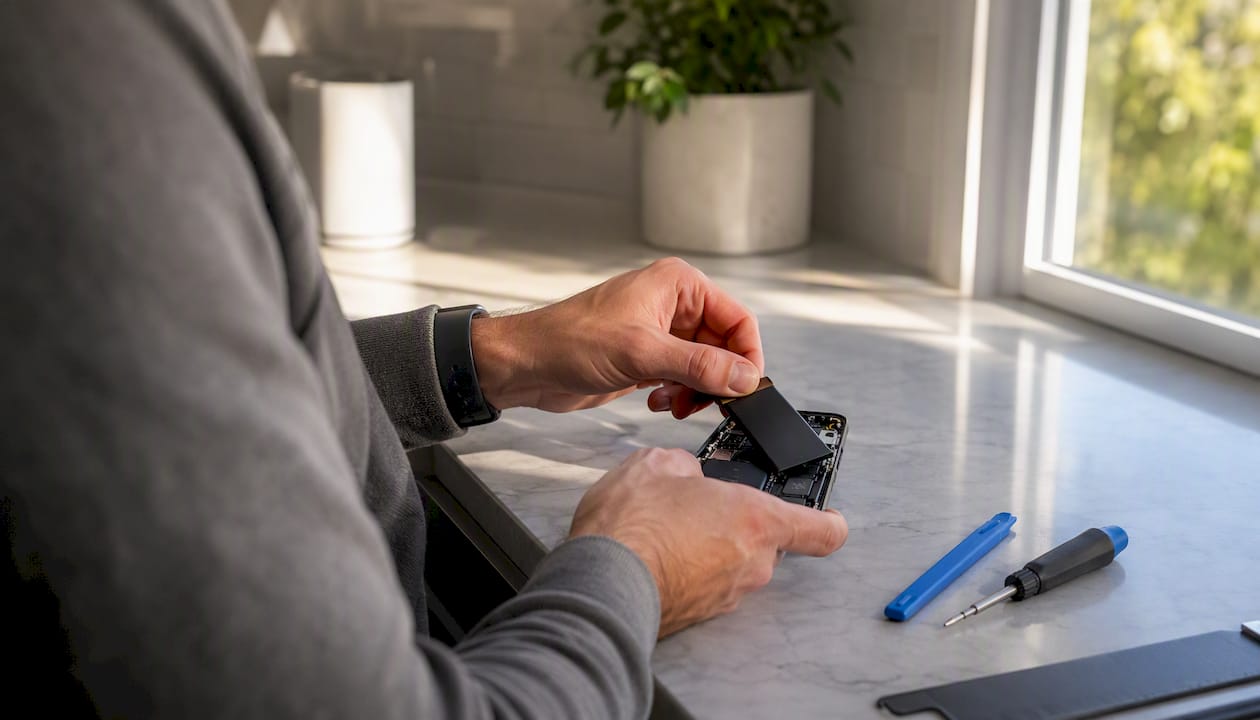
A phone technician is a trained specialist who diagnoses hardware and software problems in smartphones, then repairs, tests, and returns the device to working order. If you’re starting from zero, three moves matter most right now: learn basic teardown and reassembly using a free teardown guide, buy a basic starter tool kit and practice on a cheap or broken “practice device” (anything under $50 you won’t cry over), and log every practice repair, noting the device, the fault, the fix, time spent, and a before/after photo.
- Learn one teardown end to end before buying anything expensive.
- Practice on low-value or donor devices, not a customer’s phone.
- Log every repair. Employers ask to see this before they ask for a resume.
Key Takeaways
Becoming a phone technician requires hands-on teardown practice, a documented repair log, and either manufacturer training or entry-level shop experience to reach hireable competence.
| Point | Details |
|---|---|
| Start with teardowns | Master one full teardown and reassembly using a free guide before buying advanced tools. |
| Build a repair log | Document device, fault, fix, time, and photos for every practice repair you complete. |
| Prioritize hands-on training | Manufacturer programs and apprenticeships build employability faster than classroom-only courses. |
| Know your limits | Leave microsoldering and water-damage board repair to trained technicians until you’ve logged real reps. |
| Consider on-site professional repair | Repair Genius offers same-day, on-site repairs in Orlando and Winter Park with transparent pricing and a parts-and-labor warranty. |
Table of Contents
- What Does a Phone Technician Actually Do?
- What Skills and Certifications Do Employers Want?
- How Do You Become a Phone Technician From Scratch?
- What Tools Belong in a Beginner’s Starter Kit?
- What Do Phone Technicians Earn, and Where Do They Work?
- How Hard Is It to Become a Phone Technician?
- Where Should You Learn Phone Repair Skills?
- When Should You DIY a Phone Repair vs. Call a Pro?
- What Trips Up Even Experienced Phone Technicians?
- What Are the Legal and Ethical Lines in Phone Repair?
- A Technician’s View From the Field
- Ready for a Repair Instead of a Repair Career?
- Frequently Asked Questions
- Sources
What Does a Phone Technician Actually Do?
The job splits into two halves: fixing hardware and fixing software, often in the same shift. A cell phone repair technician’s duties include diagnosing the actual fault (not just the symptom the customer describes), replacing failed parts, troubleshooting software crashes or boot loops, and keeping the customer informed while the repair is in progress.
Common repair types a technician handles on a typical week:
- Screen replacement — the most requested repair, and usually the first one a new technician masters.
- Battery replacement — swelling batteries and rapid drain make this a close second.
- Charging port repair — often lint or corrosion, sometimes a broken solder joint.
- Water damage recovery — the hardest to predict, since corrosion can spread for days after the spill.
- Camera and speaker fixes — usually a connector reseat or a cheap module swap.
- Software troubleshooting — frozen screens, failed updates, and data recovery before a hardware fix.
A typical job flows through intake, diagnosis, parts ordering, the physical repair (sometimes microsoldering), quality-assurance testing, and return to the customer. The non-technical half of the job, warranty checks, clear documentation, and protecting customer data during the process, is where a lot of otherwise skilled technicians fall short.
What Skills and Certifications Do Employers Want?
Shops and manufacturers look for a mix of hand skills and people skills. On the technical side: fine-pitch soldering, basic microsoldering, comfort with a multimeter, board-level troubleshooting logic, and the ability to diagnose whether a fault is iOS, Android, or hardware in origin. On the soft-skill side: calm customer communication (especially when the news is bad), documentation habits, and the discipline to manage a queue of devices without mixing up parts.
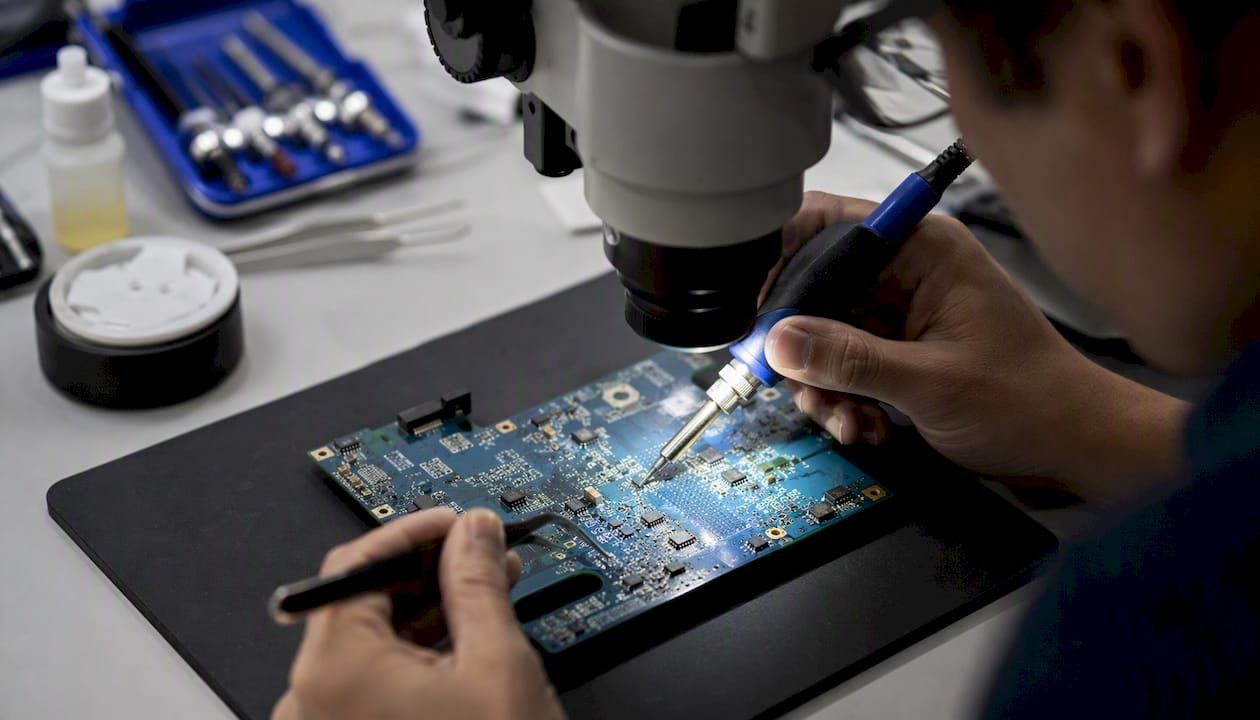
Certifications help, but they’re not a hard requirement everywhere. A CompTIA A+ credential signals general hardware and troubleshooting literacy to employers unfamiliar with your specific repair history. Manufacturer training carries more direct weight. Samsung’s own certified network trains technicians through a structured 28-hour training program before they touch customer devices, which gives you a rough sense of the depth manufacturers expect from a “certified” technician.
To prove competence without a long resume, build these instead:
- A repair log with device, fault, fix, and time spent.
- Before/after photos of five to ten completed repairs.
- A reference from an apprenticeship, volunteer repair event, or even a friend’s cracked screen.
- A short portfolio, even a simple webpage or shared folder, showing repair variety.
How Do You Become a Phone Technician From Scratch?
There’s no single licensing path for this trade, which is both good news (low barrier to entry) and bad news (nobody hands you a checklist). Career guides consistently point to the same pattern: structured practice followed by real, on-the-job experience beats classroom time alone.
- Research the trade and basic electronics safety (1 to 2 weeks). Understand ESD risk, battery hazards, and why lithium cells punctured during a repair are a real fire risk.
- Buy a starter kit and complete your first teardown (2 to 4 weeks). Pick one cheap device and take it apart and back together until you can do it without the guide open.
- Take a structured course or bootcamp (4 to 8 weeks). Look for hands-on hours, not just video lectures.
- Apprentice or take entry-level shop work (2 to 6 months to real competence). This is where speed and consistency actually develop.
- Pursue manufacturer or retailer certifications once you have a base of completed repairs behind you.
- Document everything and build a local reputation through referrals, reviews, and a growing repair log.
Most people reach basic competence, screens, batteries, charging ports, within three to six months of consistent practice. Microsoldering and board-level repair take a year or more of deliberate reps to do reliably.
Pro Tip: Source practice devices from local buy-nothing groups, pawn shop clearance bins, or family members’ drawer phones. Never practice your first teardown on a customer’s device, and never on your only phone.
What Tools Belong in a Beginner’s Starter Kit?
You don’t need a full bench to start. A basic kit runs somewhere in the $30 to $80 range and covers most screen, battery, and port repairs. Build it out as your repair complexity grows, not before.
Starter kit essentials:
- Precision screwdriver set (multiple bit sizes, including pentalobe for Apple devices)
- Plastic and metal spudgers
- Opening picks and a thin plastic pry tool set
- ESD mat and wrist strap
- Suction cup for screen removal
- Adhesive remover and replacement adhesive strips
- Small parts trays or magnetic mats (you will lose a screw otherwise, guaranteed)
Once basics are solid, add a hot air rework station, a USB microscope, a fine-tip soldering iron for board work, a multimeter, and an ultrasonic cleaner for corroded boards. On the safety side, keep three habits non-negotiable: ground yourself before touching a board, never puncture or bend a lithium battery, and wipe or factory-reset any device you’re storing rather than repairing immediately.
What Do Phone Technicians Earn, and Where Do They Work?
Pay tracks experience and specialization closely. Entry-level technicians typically earn an hourly wage doing screens, batteries, and basic diagnostics. Mid-level techs who handle charging ports, water damage, and more complex diagnostics earn more, and specialists who can do board-level microsoldering command the highest rates in the field.
- Repair shops — the most common entry point, high repair volume, fast learning curve.
- Manufacturer service centers — structured training, standardized diagnostics, often better benefits.
- Retail repair desks — brands like Best Buy’s Geek Squad run standardized workflows with scheduling tools and same-day repair targets.
- Mobile or on-site services — technicians travel to the customer, often commanding a premium for convenience.
Statistic Callout: Samsung reports that roughly 75% of Americans live within reach of a participating certified service location, a rough proxy for how widespread manufacturer-level repair demand already is.
Check current listings on job boards or manufacturer career pages for local, up-to-date figures before setting expectations.
How Hard Is It to Become a Phone Technician?
The physical work is more demanding than it looks. Screen and battery swaps are forgiving. Microsoldering is not, and a shaky hand under a microscope humbles almost everyone at first.
| Pros | Cons |
|---|---|
| Steady local demand for repairs | Repetitive fine motor work, hard on eyes and hands |
| Low barrier to entry, no license required | Real risk of damaging a device during learning |
| Fast job turnaround, repairs often done same day | Sourcing genuine parts can be difficult and costly |
Basic screen and battery competence usually arrives within three to six months of steady practice. Microsoldering competence takes closer to a year. Mitigate the rough edges with basic liability insurance, a vetted parts supplier instead of the cheapest listing you find, and ongoing training as new chip designs and adhesives roll out.
Where Should You Learn Phone Repair Skills?
Free and paid resources both have a place, and the smartest path uses both. iFixit’s repair guides remain the single most widely used free resource in the field, covering teardown steps for almost every major phone released in the last decade. Pair that with a vocational program or paid bootcamp if you want structured feedback and hands-on hours logged toward a certificate.
A workable practice plan: complete five screen replacements, three battery swaps, and two charging port repairs before calling yourself “trained” on basics. Log the time, the parts used, the outcome, and a before/after photo for each one.
When evaluating a paid course, check three things: how many hours are genuinely hands-on versus video, whether the syllabus covers microsoldering or stops at basic repairs, and whether it includes any business modules, since running a repair side-hustle is a different skill than fixing the phone itself.
When Should You DIY a Phone Repair vs. Call a Pro?
Some fixes are safe to try yourself: a software reset, a battery swap on an older model with a removable back, or reseating a loose SIM tray. Others aren’t worth the risk to a beginner: microsoldering, water-damage board recovery, or diagnosing an intermittent hardware fault that mimics a software bug.
- Software resets, cache clears, and basic settings troubleshooting: DIY-friendly.
- Battery swaps on models with simple back covers: DIY-friendly with the right tools.
- Microsoldering, board-level water damage, and complex diagnostics: leave to a trained technician.
On-site professional repair solves a specific problem DIY can’t: it keeps your data on your device instead of handing it to a stranger behind a counter for hours. Look for a provider who is upfront about parts sourcing (OEM versus aftermarket), warranty terms on both parts and labor, and how they handle your data during the repair. Apple’s own authorized channels follow this same logic, steering customers toward vetted technicians rather than open-market repair for exactly these reasons.
Pro Tip: Before booking any repair, ask three questions: what’s the warranty on parts and labor, are the parts OEM or aftermarket, and what happens to my personal data during the repair? A provider who answers all three without hesitation is one worth trusting.
What Trips Up Even Experienced Phone Technicians?
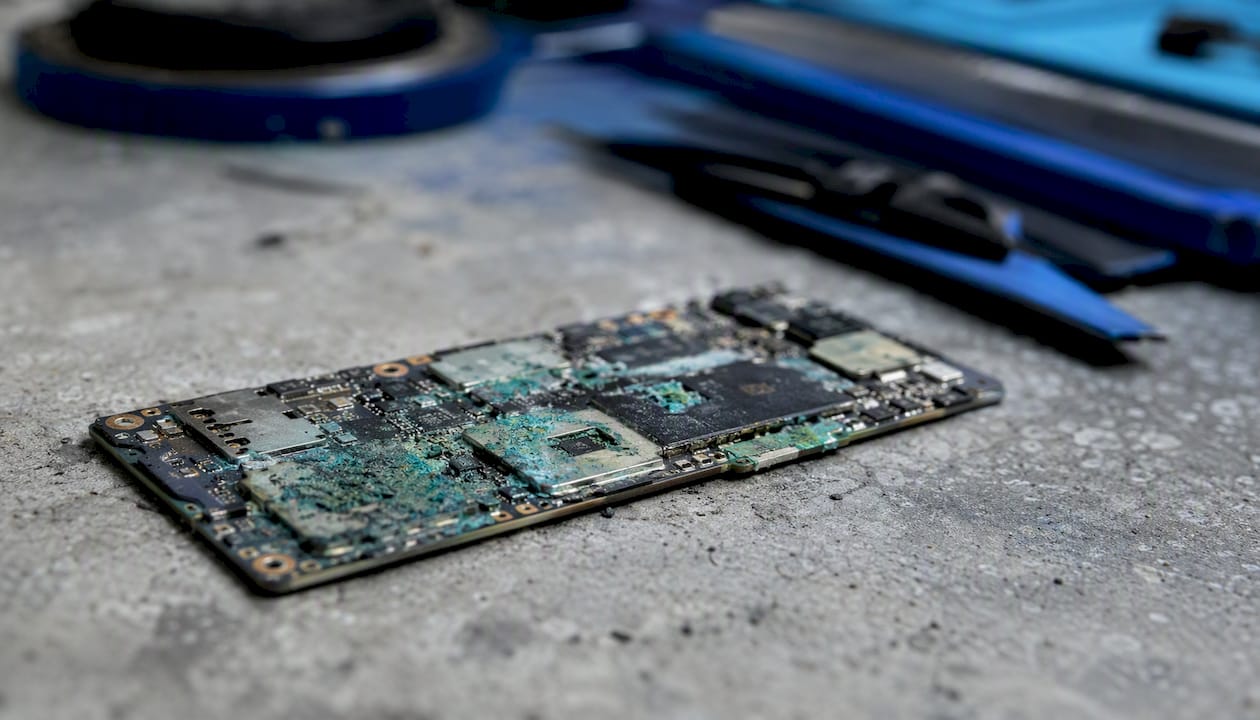
Corrosion is the quiet killer of phone repairs. A device that got splashed weeks ago can look fine, boot fine, then die the moment a technician reflows a connector, because moisture has been eating traces the whole time. New technicians often chase the symptom the customer reports instead of testing the board itself, replacing a screen when the real fault is a bent connector pin underneath it.
Foldable phones and rapidly evolving software updates add fresh headaches. Foldable hinges pack flex cables and multi-layer displays into tight housings that punish anyone still using teardown habits built on rigid glass slabs. A crease in the wrong spot on a folding display can mean a full screen replacement instead of a simple part swap. Meanwhile, frequent iOS and Android updates sometimes change how a battery reports its health or how a charging port authenticates a cable, turning what used to be a straightforward diagnostic into a guessing game until the community catches up.
Parts quality is another recurring trap. Cheap aftermarket screens can pass a basic test in the shop, then fail true-tone color matching or touch sensitivity a week later. Skipping a full quality-assurance pass, checking cameras, speakers, sensors, and charging, before handing a device back is how technicians end up with repeat visits and unhappy customers. The fix isn’t complicated: test every function, not just the one you repaired, before calling the job done.
What Are the Legal and Ethical Lines in Phone Repair?
Opening a phone under manufacturer warranty can void that warranty, and a technician has an ethical obligation to tell the customer this before starting work, not after. Apple and Samsung both push customers toward authorized service providers partly for this reason: unauthorized repairs can affect coverage, and customers deserve to make that call with full information.
Data privacy is the other serious line. A phone holds banking apps, photos, messages, and passwords, and a technician who doesn’t have a clear data-handling policy is a liability to the customer, not just an inconvenience. Responsible shops document what data they can see during a repair, how long any backup is retained, and how customer data gets wiped from loaner devices or old parts.
Counterfeit parts raise both safety and ethical questions. A knockoff battery that swells or a screen assembly with a hidden safety flaw isn’t just a bad repair, it’s a risk the technician passed along without disclosing it. Being upfront about whether a part is OEM, genuine aftermarket, or generic isn’t optional if you want a repeat customer base built on trust rather than luck.
A Technician’s View From the Field
Editorial note: insert a named technician credential, case study, or direct testimonial here once available.
Most of the job isn’t the repair itself, it’s what happens before and after it. Customers remember whether you explained the diagnosis in plain language and whether their photos were still there when they got the phone back, more than they remember the actual part you swapped.
Three habits separate technicians who build a real reputation from ones who don’t: over-communicate status during longer repairs, photograph the device’s condition before you touch it (protects both of you), and run a full function test, not just the repaired part, before calling any job finished.
Ready for a Repair Instead of a Repair Career?
Not everyone reading this wants to become a technician, some of you just have a cracked screen right now. If that’s you, Repair Genius is the on-site alternative to sitting in a repair shop waiting room in Orlando or Winter Park: a certified technician comes to your home or office, fixes iPhones, Android phones, tablets, and laptops the same day, and keeps your data on your device the entire time.

Every quote is transparent before work starts, no hidden fees, no surprise upcharges once the phone’s already in pieces, and every repair carries a warranty on parts and labor. If you’d rather have someone else handle the microsoldering and corrosion diagnostics covered above, book a same-day on-site repair and get your phone back working without leaving your driveway.
Frequently Asked Questions
Do I need a certification to work as a phone technician?
No formal license is required in most places, but manufacturer training or a CompTIA A+ credential makes hiring easier and often unlocks higher pay tiers.
How long does it take to become a competent phone technician?
Basic repairs like screens and batteries typically take three to six months of steady practice. Board-level microsoldering takes closer to a year of deliberate reps.
What’s the difference between a phone technician and a smartphone technician?
Nothing functionally, they’re the same role. “Smartphone technician” and “device repair specialist” are just alternate job titles for the same work.
Can I start phone repair as a side business without a shop?
Yes. Many technicians start with mobile or on-site repair work using a basic starter kit before ever renting shop space.
Is water damage repair worth attempting as a beginner?
It’s one of the riskier repairs to learn on, since corrosion can be unpredictable. Practice on donor boards before attempting a paying customer’s water-damaged device.
Sources
- iFixit — Phone repair guides
- Cell Phone Repair Technician: What Is It? and How to Become — ZipRecruiter
- How To Become a Mobile Technician — Indeed
- Find Mobile Care: Samsung Phone Repair Options | Samsung Support US
- Apple Service and Repair for iPhone Screens – Apple Support
Recommended
- The Role of a Trusted Repair Technician Explained
- At Home Phone Repair: DIY vs. Professional Options
- Device Repair Checklist for Employees: On-Site Prep Guide
- The Role of Diagnostic Software in Electronics Repair