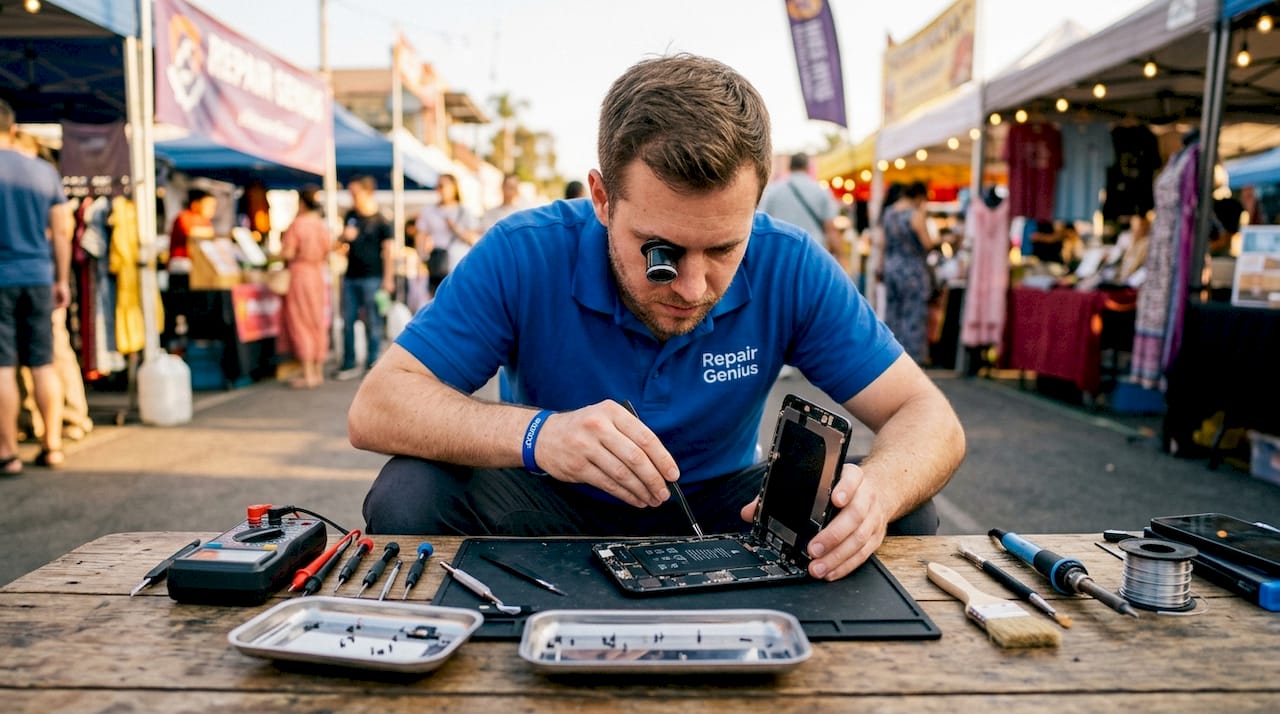
A multi-device repair service is a centralized solution that covers diagnostics, parts replacement, and quality testing for smartphones, tablets, laptops, and other electronics under one provider. For anyone managing more than two devices, this approach cuts costs, reduces downtime, and eliminates the hassle of juggling multiple warranties or repair shops. Professional repair consistently saves 20% to 40% on overall device costs compared to buying replacements. That gap is significant when you factor in a household running four or five devices at once.
What does a multi-device repair service cover?
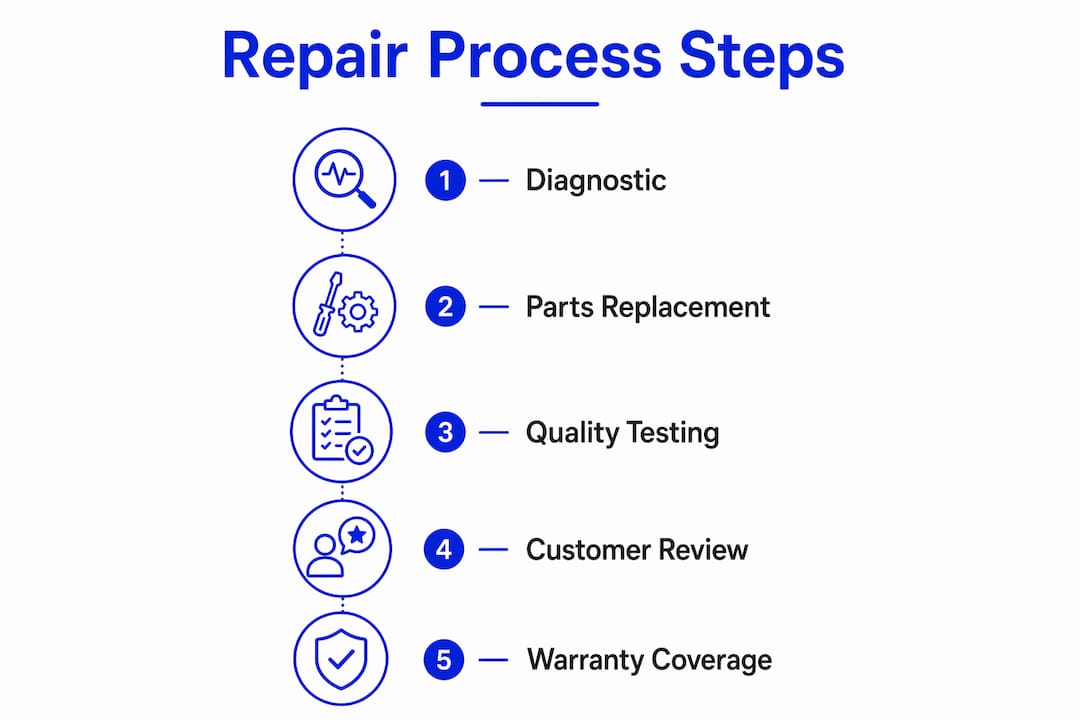
A multi-device repair service explained properly starts with the process, not just the price. Every quality repair follows four steps: diagnostics, a written estimate, the repair itself, and post-repair testing. Skipping any step is where repairs go wrong, and understanding this sequence helps you evaluate any provider you consider.
Common repairs across device types
The most frequent repairs across smartphones, tablets, and laptops fall into a predictable set of categories:
- Screen replacement — cracked or unresponsive displays on iPhones, Android phones, and tablets
- Battery replacement — degraded cells that no longer hold a charge through a full day
- Charging port repair — loose or corroded ports on USB-C and Lightning connectors
- Water damage recovery — cleaning and drying internal components before corrosion spreads
- Board-level diagnostics — identifying failed chips or solder joints that cause random shutdowns or no-power conditions
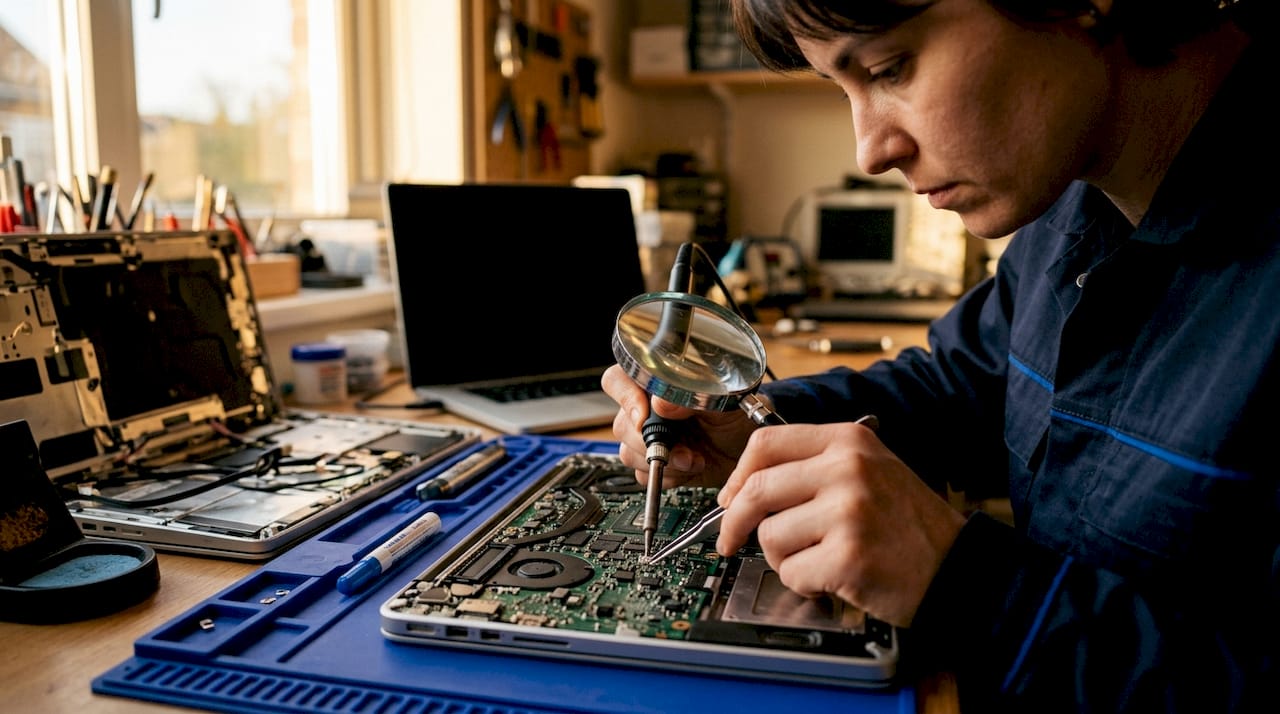
Advanced repairs like micro-soldering and board-level diagnostics extend repairability well beyond what most people assume is possible. A device that won’t power on after water exposure is often salvageable with the right equipment and technician skill.
Pro Tip: Before any repair begins, ask the shop to document your device’s baseline condition. Multi-point diagnostic testing before work starts protects you from disputes about pre-existing damage.
Turnaround times by repair type
Simple hardware repairs like screen swaps and battery replacements typically finish the same day, often in under 30 minutes. Complex board-level work takes 2–5 business days. That speed advantage over manufacturer service centers is real. Sending a device to a manufacturer often means 7–14 days without it, while a local or on-site provider can return it the same afternoon.
What are the cost advantages of repairing multiple devices?
Repair beats replacement on price in nearly every common scenario. A screen or battery repair typically costs $80–$150. A flagship smartphone replacement runs $1,000 or more. Professional repair saves 20% to 40% on overall device costs compared to replacement. Multiply that across three or four devices in a household, and the savings become a strong financial argument for a repair-first approach.
How consolidated plans reduce per-device costs
Bundled or subscription-based coverage changes the math further. Comprehensive device protection plans start at $9.99 per month and scale to $24.99 per month for whole-home tech coverage. That upper tier typically includes unlimited claims, 24/7 expert support, and monitoring across all covered devices. For a household with five electronics, that per-device cost drops well below what individual warranties charge.
Consolidated repair plans for multiple devices also simplify management. Instead of tracking separate warranty expiration dates and claim processes, one plan covers everything. That convenience has real value for small business owners and families alike.
Key financial benefits of the repair-first approach include:
- Lower immediate cost — repairs cost a fraction of new device prices
- Extended asset life — a repaired device holds resale value longer than one with visible damage
- Reduced replacement frequency — devices that get timely repairs last years longer
- Simplified budgeting — flat-rate or subscription pricing removes cost uncertainty
For anyone managing employee devices or a home full of electronics, the financial case for consolidated repair is straightforward. Repair now, replace only when repair is no longer viable.
What should you look for in the best multi-device repair service?
The best repair provider combines transparent pricing, technical depth, and reliable communication. Repair shops that offer free diagnostics and confirm the total cost before starting work consistently earn higher customer satisfaction. That single practice, upfront pricing with no surprise fees, separates trustworthy shops from ones that pad bills after the fact.
Technical capabilities that matter
Not every shop can handle every repair. The capabilities that separate a capable multi-device provider from a basic screen-swap shop include:
- Micro-soldering — required for board-level component repairs that most shops decline
- Water damage recovery — ultrasonic cleaning and controlled drying, not just rice
- Cross-platform expertise — technicians who work on iPhones, Android devices, Windows laptops, and MacBooks
- Repair management software — standardized tracking systems that give customers real-time updates and improve turnaround predictability
Pro Tip: Ask any repair provider whether they use repair management software. Shops that track jobs digitally make fewer errors and communicate more reliably. That detail alone predicts service quality better than online reviews.
Warranty terms and part quality
Warranty coverage on completed repairs signals confidence in the work. A shop offering 90 days or more on parts and labor stands behind its technicians. Ask specifically whether the shop uses OEM (original equipment manufacturer) parts or aftermarket alternatives, and what the difference means for your device’s performance and warranty status. Knowing why repairs fail often comes down to part quality and technician experience, not the repair type itself.
How do repair services protect your data and the environment?
Local repairs protect user data better than centralized manufacturer services, which frequently require a full factory reset before accepting a device. That means your photos, contacts, and app data disappear before the repair even begins. A local or on-site technician works on the hardware without touching your software or requiring a wipe.
“Keeping hardware control local during repair is the most direct way to protect personal data. Manufacturer repair pipelines are built for scale, not privacy. A local technician who works on your device in front of you offers a level of transparency that no mail-in manufacturer process can match.”
The environmental case for repair is equally strong. A repair-first mentality reduces electronic waste and lowers the carbon footprint tied to new device manufacturing. Every repaired device is one fewer unit in a landfill and one fewer production run drawing on rare earth materials. Experts confirm that repair-first strategies directly support sustainability goals at both the individual and corporate level. For anyone tracking their environmental impact, choosing repair over replacement is one of the highest-leverage decisions available.
User control is the third advantage. When a technician comes to you, as Repair Genius does with its on-site service model in Orlando and Winter Park, you watch the repair happen. There is no black box. You know exactly what was replaced and why.
Key Takeaways
A multi-device repair service saves money, protects data, and extends device life far more effectively than replacement across nearly every common electronics failure scenario.
| Point | Details |
|---|---|
| Repair beats replacement on cost | Screen and battery repairs cost $80–$150 versus $1,000+ for flagship replacements. |
| Consolidated plans cut per-device costs | Subscription plans from $9.99/month cover multiple devices with unlimited claims and support. |
| Transparent pricing builds trust | Shops that confirm total cost before starting work earn higher satisfaction and fewer disputes. |
| Local repair protects your data | On-site and local repairs avoid the factory resets required by most manufacturer service centers. |
| Repair-first supports sustainability | Repairing instead of replacing reduces electronic waste and lowers production-related carbon output. |
Why I think the repair-first shift is bigger than most people realize
Devices are more complex than they were five years ago. Thinner chassis, fused display assemblies, and soldered-in batteries make repairs harder, but they also make professional repair more valuable. A skilled technician with the right tools can fix what looks unfixable.
What I’ve seen repeatedly is that people underestimate how much downtime costs them. A broken screen on a work laptop is not just an inconvenience. It is lost productivity, missed deadlines, and real money. The same logic applies to a cracked tablet screen that a student uses daily.
The data security angle is the one most people overlook entirely. Handing a device to a manufacturer service center often means agreeing to a data wipe in the fine print. Most customers never read that clause until their photos are gone. Local repair sidesteps that risk entirely.
My honest advice: treat repair as the default and replacement as the last resort. The cost savings are real, the environmental benefit is real, and the data protection advantage is real. The only thing standing between most people and better outcomes is the assumption that replacement is easier. It rarely is.
— Michael
Repair Genius brings expert multi-device repair to you
Repair Genius has served Orlando and Winter Park for over 10 years, handling iPhones, Android phones, laptops, tablets, and more with same-day service and transparent flat-rate pricing. No hidden fees. No surprise charges. Technicians come directly to your location, so your devices stay in your sight and your data stays yours.
Whether you need a cracked screen fixed before a meeting or a battery replaced on a device you rely on daily, Repair Genius delivers fast, warranty-backed repairs without the trip to a shop. For urgent situations, the emergency repair guide explains exactly what to expect when time is critical. Book a same-day appointment and get your devices back in working order today.
FAQ
What is a multi-device repair service?
A multi-device repair service covers diagnostics and repairs for smartphones, tablets, laptops, and other electronics under one provider. It reduces cost and complexity compared to managing separate warranties or repair shops for each device.
How much does repairing a device cost compared to replacing it?
Screen and battery repairs typically cost $80–$150, while flagship smartphone replacements cost $1,000 or more. Professional repair saves 20% to 40% on overall device costs compared to replacement.
Are subscription-based device repair plans worth it?
Subscription plans starting at $9.99 per month cover multiple devices with unlimited claims and expert support. For households managing three or more electronics, the per-device cost is significantly lower than individual warranties.
Is my data safe during a device repair?
Local and on-site repairs protect your data better than manufacturer service centers, which often require a factory reset before accepting a device. Keeping the repair local means your photos, contacts, and files stay intact.
How long does a typical device repair take?
Simple repairs like screen replacements and battery swaps often finish the same day, sometimes in under 30 minutes. Complex board-level repairs take 2–5 business days, which is still faster than most manufacturer service timelines.
Recommended
- Minimize Device Repair Disruption: A Pro’s Guide
- Why Device Repairs Fail: Common Mistakes Explained
- Why Employee Devices Need Quick Repair: 2026 Guide
- How Repairs Shape Device Resale Value in 2026