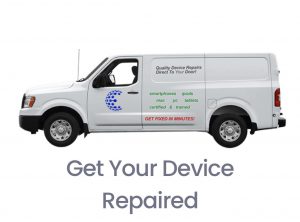
Transparent pricing repair means you get a written, line-item quote before a technician touches your device, showing exact parts costs, labor charges, fees, and warranty terms. It prevents surprise charges and lets you compare shops on equal footing. If a repair provider doesn’t put the price in writing before starting work, that’s the signal to ask more questions or walk away.
TL;DR:
- A written, line-item quote for parts, labor, fees, and warranty is essential before repairs begin to prevent unexpected charges and facilitate fair comparisons.
- Vendors should specify whether parts are OEM or aftermarket, along with the exact tasks included in labor, to ensure transparency and avoid hidden costs.
- Consumers should verify quotes by asking about diagnostic fee policies, ensuring scope coverage if additional damage is found, and comparing prices with independent tools.
- Knowledge of different pricing models such as flat-rate, hourly, parts-plus-labor, and clear-cost helps in assessing the fairness of the repair proposal.
- Asking clear, pre-approved questions like requesting a detailed written quote and confirming scope changes protect consumers from bait-and-switch tactics and hidden fees.
Table of Contents
- What Does Transparent Pricing Actually Mean?
- Why Does Transparent Pricing Matter for Consumers?
- What Should a Clear Repair Quote Include?
- What Are the Common Repair Pricing Models?
- How Do You Verify a Repair Quote Before Approving It?
- What Should You Say Before Authorizing a Repair?
- How Repair Genius Puts Transparent Pricing Into Practice
- Why Transparent Pricing Protects Both Sides of the Repair Counter
- Ready for a Repair Quote You Can Actually Trust?
- Where to Verify Repair Pricing and Consumer Protections
- Sources
What Does Transparent Pricing Actually Mean?
An “estimate” and a “quote” are not the same thing, and the gap between them is where most repair disputes start. An estimate is a rough guess, often verbal, that a shop can revise once they open your device. A quote is a firmer commitment, usually written, that lays out what the job will cost. The strongest version is a quote that can only change with your explicit approval, meaning the shop has to stop and ask before charging you a dollar more.
Genuine transparent pricing shows up as a line-item breakdown, not a single lump number. That breakdown typically separates:
- Parts cost, including whether it’s an OEM (original manufacturer) part or an aftermarket alternative, since OEM parts often cost significantly more than aftermarket alternatives
- Labor cost, either billed hourly or as a flat rate tied to the specific repair
- Diagnostic fee, charged for the technician’s time identifying the problem before any repair work begins
- Taxes and any add-on fees, like shipping for a special-order part or a rush surcharge for same-day service
- Warranty terms, spelled out in days or months, covering both the part and the labor
Shops present this information differently. Some hand you a paper estimate sheet at the counter. Others email a PDF quote you can review before approving anything. A growing number use point of sale software that generates an itemized digital receipt the moment you approve the work. The format matters less than the content. If you can’t see parts, labor, fees, and warranty broken out separately, you’re looking at an estimate dressed up as a quote.
Why Does Transparent Pricing Matter for Consumers?
Trust breaks down fast when a customer gets handed a bill that doesn’t match what they were told on the phone. Shops that hand over line-item quotes upfront tend to see fewer billing disputes simply because there’s nothing left to argue about. Every charge was agreed to before the work started.
There’s also a comparison advantage most people overlook. When two shops both give you vague, one-number estimates, you’re comparing guesses. When both give you itemized quotes, you can actually see why one costs more. Maybe Shop A uses OEM parts and quotes a two-hour labor block. Maybe Shop B uses a cheaper aftermarket part but charges for three hours. That’s a real decision, not a coin flip.
Bait-and-switch pricing survives specifically because most repair quotes are vague enough to allow it. A shop quotes $80 over the phone, then finds “additional damage” once the device is open and the bill lands at $220.
Federal regulators have long treated vague or misleading pricing as a form of unfair or deceptive practice under the Federal Trade Commission Act, which gives consumers a real avenue to report a shop that quotes one price and bills another. Broader consumer-protection rules under Title 16 of the Code of Federal Regulations also set expectations around clear disclosure in consumer transactions, which repair pricing falls squarely into.
The business side benefits too. Shops that lead with flat-rate, written pricing report that customers convert faster once they see the number in writing, because there’s no anxiety about a bill that could balloon mid-repair. ARS Repairs, for instance, publishes its flat-rate model publicly specifically to remove that hesitation before a customer ever calls.
What Should a Clear Repair Quote Include?
A real quote earns that name by covering five things in writing, every time, no exceptions. Here’s the checklist to run through before you approve any repair:
- Parts, named and tiered. The quote should state the part (e.g., “iPhone 14 battery”), whether it’s OEM or aftermarket, and the unit price. A quote that just says “parts: $65” with no description is hiding information you’re entitled to see.
- Labor, clearly framed. Either it’s billed hourly with a stated rate and estimated hours, or it’s a flat-rate line that names exactly what task it covers. “Labor: $120” with no explanation of what that buys is a red flag, not a detail.
- Diagnostic fee and its waiver policy. Many reputable shops charge a diagnostic fee to identify the problem, and often waive that fee if you approve the repair. Ask directly: is this fee credited toward my final bill?
- Taxes, shipping, and surcharges. Sales tax is unavoidable, but rush fees, weekend surcharges, or special-order shipping costs should be itemized, not buried in a round number.
- Warranty length and coverage. A legitimate quote states how many days or months the repair is covered and whether that covers parts, labor, or both. The Magnuson-Moss Warranty Act requires that written warranties disclose their terms in plain language, so a shop that goes vague here isn’t just being sloppy. It may be skirting a federal disclosure requirement.
Pro Tip: Ask specifically whether the diagnostic fee is refundable if you decline the repair and take your device elsewhere. A shop confident in its pricing will usually say yes without hesitation.
If you want a deeper breakdown of what a fair diagnostic charge looks like, this diagnostic fee explainer walks through five things a proper diagnostic line should include and five questions worth asking before you pay it.
What Are the Common Repair Pricing Models?
Not every shop bills the same way, and knowing which model you’re looking at changes what questions you should ask.
- Flat-rate pricing quotes one number for the entire job regardless of how long it actually takes. This favors you when the repair runs into complications, since the shop eats the extra time. Glass Doctor uses this model specifically because it lets the shop commit to a price before opening the device.
- Hourly billing charges for actual technician time, which can balloon fast if a job turns out more complicated than expected. Always ask for a capped estimate or a “not to exceed” number before authorizing hourly work.
- Parts-plus-labor separates the two costs explicitly, which is the most common structure for device repairs. The tradeoff shows up in part tier: OEM parts cost more upfront but often carry longer warranties than aftermarket alternatives.
- Clear-cost pricing, sometimes called cost-plus, discloses the actual supplier cost of the part alongside the shop’s margin. Medley’s clear cost model is a good example of this approach in practice: the customer sees exactly what the business paid and what it’s charging on top, which removes the guesswork about whether a markup is reasonable.
None of these models is inherently dishonest. The problem is when a shop refuses to tell you which one it’s using, or quotes you a number without explaining the structure behind it.
How Do You Verify a Repair Quote Before Approving It?
A few habits separate people who get fair repair pricing from people who get taken advantage of, and none of them require technical knowledge.
Watch for these red flags first:
- A “labor” line with no description of what task it covers
- A quote dramatically lower than every other shop you called, often a sign of used parts or a planned scope expansion once the device is open
- A diagnostic fee the shop won’t credit toward the repair and won’t explain
- No mention of warranty at all, or a warranty that’s verbal only
Then run a few sanity checks. Ask the shop for the part invoice or at least the part number, so you can verify it’s the tier they claim. Compare the quote against a published range. Independent pricing tools like AmpAuto’s quote checker compare your quote against parts costs and standard labor hours to flag numbers that look inflated. Services like Fair Repair Auto do something similar for other repair categories, adjusting for regional labor rate differences.
Pro Tip: If a quote comes in suspiciously low, ask directly whether the part is new, refurbished, or used, and whether the price includes calibration or testing after installation. Vague answers here usually mean the “low price” isn’t the real price.
The whole verification routine takes under five minutes: ask what’s included in labor, ask whether the diagnostic fee is refundable, and ask what happens if the shop finds additional damage once it’s inside the device. If a shop can’t answer all three clearly, that’s your answer about whether to trust the quote.
What Should You Say Before Authorizing a Repair?
You don’t need repair expertise to get a straight answer. You need the right questions, asked at the right moment.
- “Can you send me a written, line-item quote before you start?” This single sentence filters out shops that operate on vague verbal estimates. A shop that hesitates here is telling you something.
- “Is the diagnostic fee waived if I approve the repair?” Ask this before the technician opens anything. Get the answer in writing, even if it’s just a text message confirmation.
- “Do you have a cheaper part option, and can I see the parts invoice?” This works especially well on higher-cost repairs like laptop screens or phone batteries, where OEM versus aftermarket can shift the price by 40% or more.
- “If you find additional damage, will you contact me for approval before doing more work?” Ask them to confirm this in writing or via text. A photo of the damage with a follow-up message describing the added cost is the gold standard here, and any reputable shop should be willing to provide it.
These four questions take less time to ask than it takes to read this paragraph, and they close off almost every common pricing dispute before it starts.
How Repair Genius Puts Transparent Pricing Into Practice
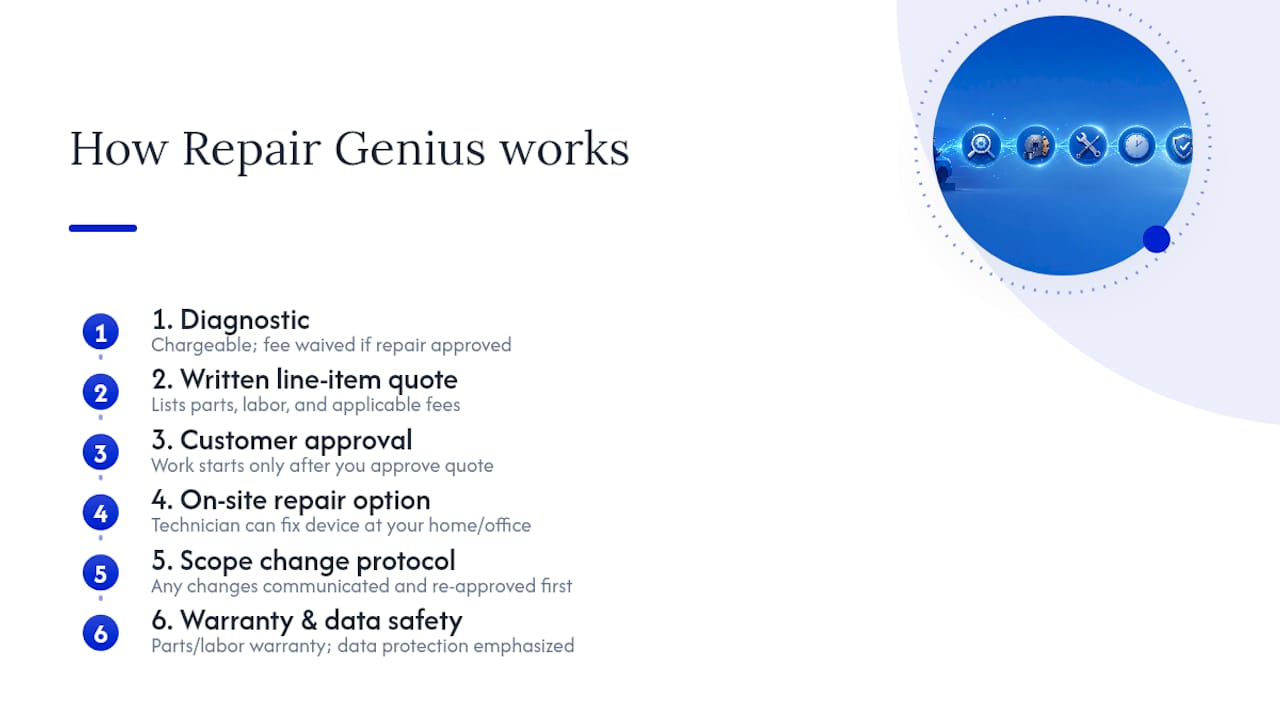
An on-site repair service builds its process around the exact standards described above. Every job starts with a diagnostic, and that fee can be waived once the quoted repair is approved. A written, line-item quote is provided before any work begins, covering parts, labor, and applicable fees, so there’s no guessing about the final bill.
Repairs come backed by a warranty on both parts and labor, and technicians may handle the job at your home or office, allowing you to watch the process instead of dropping off a device and hoping for the best. Data safety is emphasized throughout the repair process, as sensitive personal information is often stored on the devices being repaired.
The process involves diagnosing the issue, presenting a written quote, and waiting for approval before proceeding. If the scope changes once the device is open, that should be communicated and approved before it affects the invoice.
Why Transparent Pricing Protects Both Sides of the Repair Counter
Consumer protections and honest business practices aren’t opposing forces. They’re the same incentive viewed from two directions. A shop that itemizes every charge isn’t just protecting the customer from surprise fees. It’s protecting itself from disputes, chargebacks, and the kind of one-star review that comes from a bill nobody saw coming.
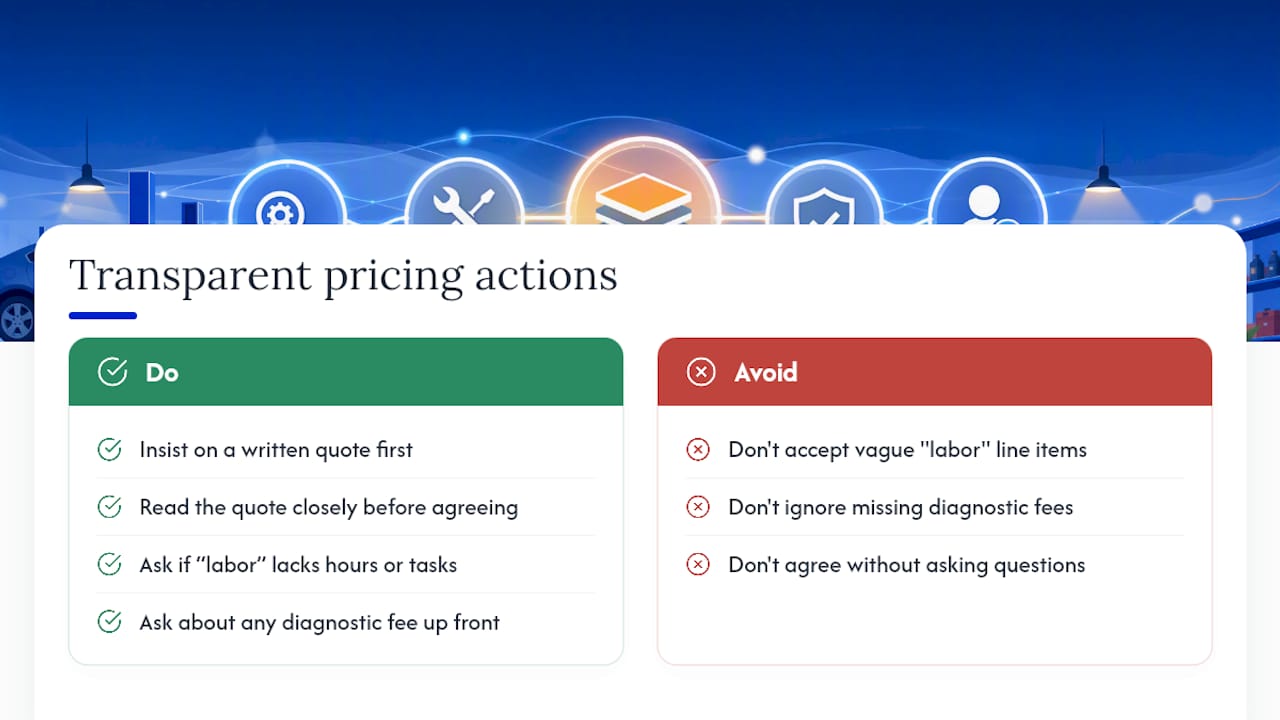
I’d go further than most advice on this topic: don’t just accept a quote because it’s written down. Read it. If a line item says “labor” with no hours and no task description, ask what it means. If a diagnostic fee isn’t addressed at all, ask before you agree to anything.
The checklist and scripts above aren’t complicated, and that’s the point. You don’t need to understand how a charging port gets replaced to know whether a shop is being straight with you about what it costs. Insist on the written quote first. Everything else follows from there.
— Michael
Ready for a Repair Quote You Can Actually Trust?
Most repair shops still make you choose between convenience and clarity: drop off your device and hope the final bill matches what you were told, or dig through fine print trying to figure out what “labor” actually covers. Some services close that gap by bringing technicians to you and providing full quotes in writing before any work starts.

Booking works similarly for various devices needing repair. A technician arrives at your location, runs diagnostics, and provides a line-item quote covering parts, labor, and fees before starting work. Diagnostic fees may be waived upon repair approval. If the repair scope changes, approval is sought before any bill change. Repairs carry warranties on parts and labor, and data security is maintained throughout the process.
If you’re ready to see what a same-day, on-site quote looks like, start at Repair Genius and get your device diagnosed today.
Where to Verify Repair Pricing and Consumer Protections
A few resources are worth bookmarking before your next repair, not just for this one.
- The Federal Trade Commission Act covers what counts as a deceptive pricing practice, useful if you ever need to file a complaint about a bait-and-switch quote.
- The Magnuson-Moss Warranty Act explains what a written warranty legally has to disclose, which helps you evaluate whether a shop’s warranty language is actually compliant.
- AmpAuto’s quote checker gives you a fast sanity check on parts and labor costs before you approve a quote.
- If you’re weighing repair against replacement, this phone repair vs. replacement guide breaks down when a quoted price still makes financial sense.
Sources
- eCFR — Title 16 Part 429
- Federal Trade Commission — Federal Trade Commission Act
- AmpAuto — Free Repair Quote Checker
- ARS Repairs — Rates & Pricing | Transparent Appliance Repair Pricing
Recommended
- Is Your Damaged Phone Worth Fixing? A Clear Guide
- Phone Repair vs Replacement Cost: 2026 Decision Guide
- How Repairs Shape Device Resale Value in 2026
- Device Repair Technician Checklist: 2026 Best Practices