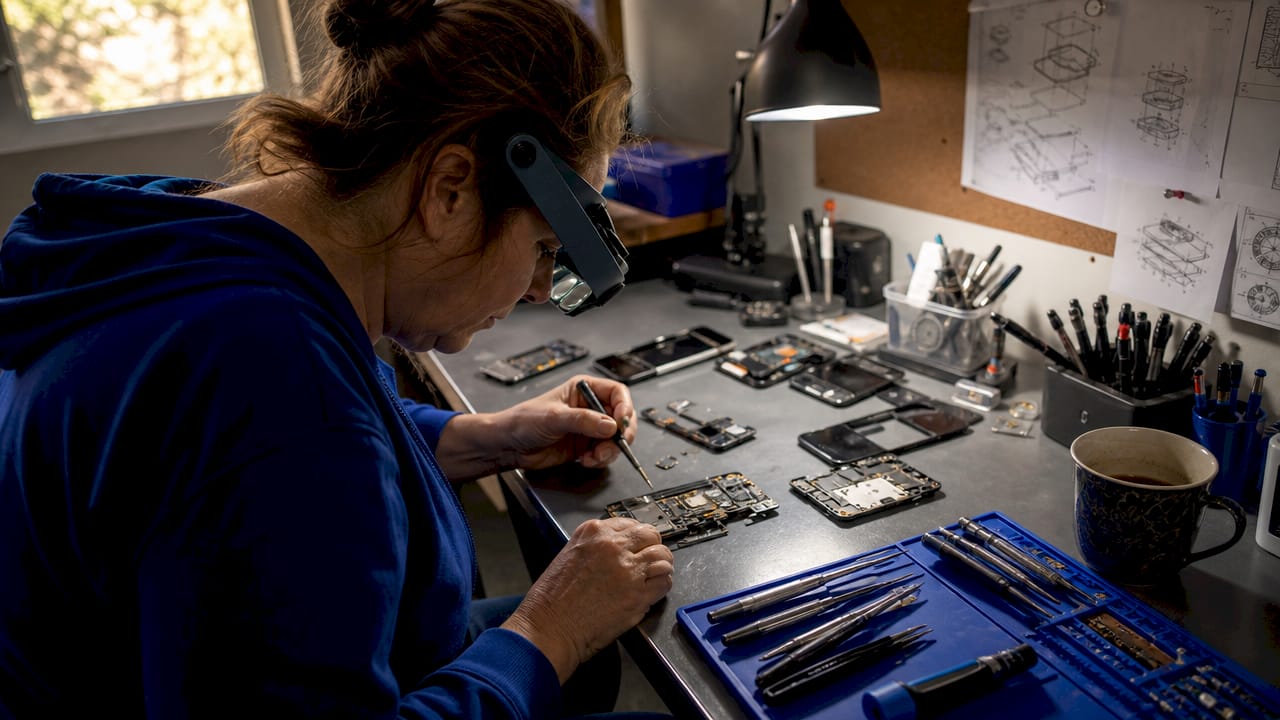
A trusted repair technician is defined as a certified professional who diagnoses, repairs, and returns devices to full working condition while maintaining honest communication and protecting customer data throughout the process. The role of trusted repair technician goes far beyond swapping out broken parts. It covers technical expertise, ethical conduct, data security, and the kind of reliability that keeps customers coming back. Repair Genius has built its entire service model around these principles, bringing certified technicians directly to customers in Orlando and Winter Park, Florida, with transparent pricing and same-day results.
What does a trusted repair technician actually do?
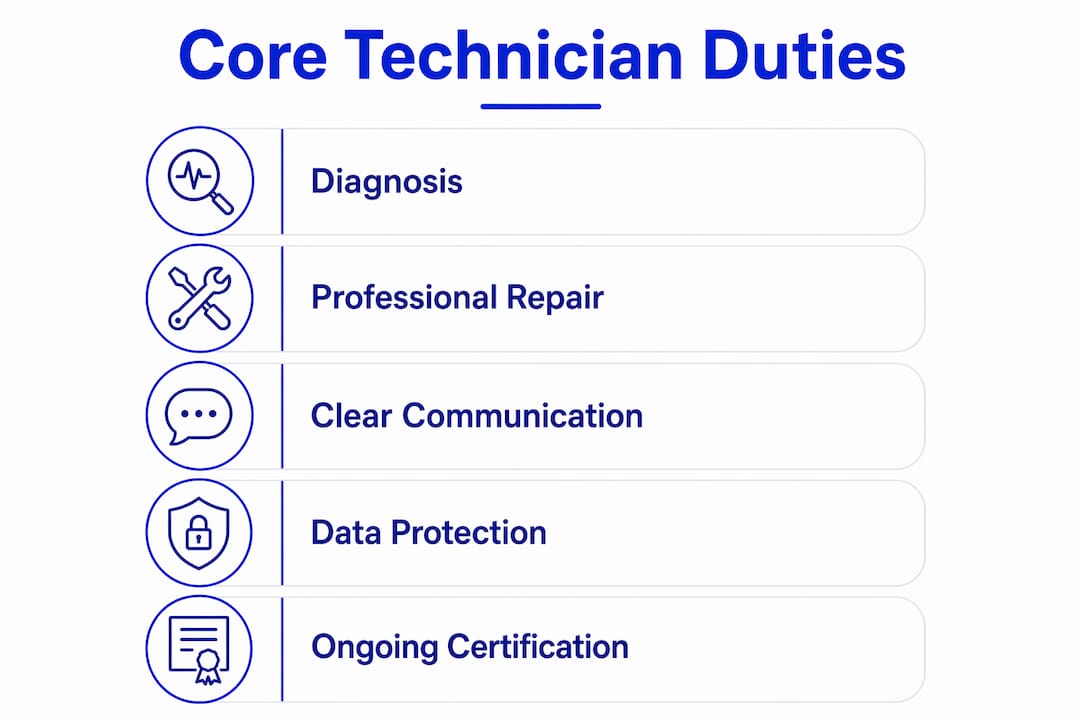
The core duties of a trusted repair technician fall into three categories: accurate diagnosis, professional repair, and clear communication. Each one matters equally. A technician who fixes the hardware but never explains what went wrong leaves the customer no better prepared for next time.
Diagnosis is where most repairs succeed or fail. A skilled technician uses specialized tools to isolate the root cause rather than replacing parts by guesswork. Reliable technicians explain faults, fixes, and costs plainly, without jargon. That clarity is what separates a trusted professional from someone who simply turns a screwdriver.

Communication is the other half of the job. Customers hand over devices that contain their photos, banking apps, work files, and personal messages. Honest communication about repair limits builds customer loyalty more reliably than any marketing promise. A technician who says “I can’t fix this safely” earns more trust than one who attempts a repair beyond their skill level.
What core skills and ethical duties define a trusted technician?
Technical competence and ethical behavior are inseparable in this profession. A technician can have every certification available and still damage customer trust by hiding fees or overstating what a repair will accomplish.
Technical skills every trusted technician needs
- Diagnostic accuracy: The ability to identify the actual fault, not just the visible symptom. A cracked screen on an iPhone, for example, sometimes masks deeper logic board damage.
- Tool proficiency: Proper use of multimeters, soldering stations, and manufacturer-specific software for reading error codes on Android phones, laptops, and tablets.
- Parts knowledge: Understanding the difference between OEM (original equipment manufacturer) parts and third-party alternatives, and communicating that difference to the customer before the repair begins.
- Speed without shortcuts: Timely repairs with transparency reduce downtime and build reliability. Fast service only counts when the repair holds.
Certifications that signal real competence
I-CAR Gold Class certification requires continuous, role-specific education so technicians stay current on emerging materials, sensors, and manufacturer repair protocols. That standard matters because device technology changes faster than most training programs update. A technician who earned a certification five years ago and stopped learning is not the same as one who pursues ongoing education. Continuous education and certification significantly elevate repair quality and safety.
Pro Tip: Ask any technician you are considering whether they have completed training in the past 12 months. A confident, specific answer is a good sign. Vague responses about “years of experience” without recent education are a red flag.
Ethical duties include respecting device access, never browsing personal files, and disclosing any limitations before starting work. These are not optional courtesies. They are the professional baseline that defines the importance of repair technicians in a world where devices hold more personal information than a filing cabinet.
How do trusted technicians handle connected devices and data security?
Modern devices are not isolated objects. A smartphone connects to cloud accounts, home networks, smart speakers, and banking platforms. Repairing one device now means touching the edge of an entire digital ecosystem.
Trusted technicians managing smart home repairs now handle network security and data integrity, making trust a tangible requirement for home access. That shift changes the job description significantly. A technician working on a smart thermostat or connected security camera is not just fixing hardware. They are entering a home network that may also contain medical devices, baby monitors, and financial data.
Four data protection practices that define professional repair
- Chain of custody logging: Professional repair shops log technician access times for every device. This standard enhances data security beyond simple privacy promises and creates an auditable record if a dispute arises.
- Background verification: Transparent protocols and background checks validate technician reliability in complex environments. Repair Genius applies this standard to every technician it deploys on-site.
- Minimal access principle: Technicians access only the files, settings, or accounts required to complete the repair. Nothing more.
- Customer notification: Before any repair begins, the technician explains what system access the repair requires and why. No surprises.
Pro Tip: Before handing over any device, back up your data and log out of sensitive apps like banking or email. A trustworthy technician will remind you to do this. One who does not is worth reconsidering.
For customers in schools or businesses, protecting data during device repair requires even stricter protocols because multiple users share the same devices. The chain of custody standard becomes non-negotiable in those environments.
How do you identify and choose a trusted repair technician?
Choosing the right technician before a crisis hits is the single most effective way to avoid rushed, unreliable repairs. Waiting for a crisis often leads to rushed and less reliable repairs. Building a relationship with a local provider in advance gives you access to faster service, better pricing, and a technician who already knows your devices.
| Attribute | What to look for |
|---|---|
| Upfront estimates | Written quote before work begins, no hidden fees |
| Certifications | Current, role-specific credentials with recent training |
| Data practices | Clear explanation of device access and privacy policy |
| Repair guarantee | Written warranty on parts and labor |
| Communication style | Plain language, no jargon, responsive to questions |
Authorized service centers primarily indicate business agreements for parts procurement, not necessarily higher technical competence. An experienced independent technician with deep brand-specific knowledge often delivers better diagnostics than a center relying on generic protocols. That is a counterintuitive fact worth knowing before you assume the “authorized” label guarantees the best outcome.
- Read recent reviews with specific detail, not just star ratings. A review that describes the technician explaining the fault clearly is more useful than a five-star rating with no context.
- Ask about common repair mistakes before committing. A technician who can name the most frequent errors in your device type and explain how they avoid them is demonstrating real competence.
- Verify the guarantee in writing. Verbal promises about repair quality are not enforceable. A written warranty on parts and labor is the only protection that counts.
What are the long-term benefits of working with a trusted technician?
The benefits of certified technicians extend well past the immediate repair. Customers who work with the same trusted professional over time spend less money, experience fewer repeat failures, and get faster service when something goes wrong.
- Fewer recurring issues: A quality repair addresses the root cause. A rushed or undertrained technician fixes the symptom and sends the device back with the underlying problem intact.
- Access to OEM parts: Trusted technicians with established supplier relationships source genuine parts faster and at better prices than walk-in customers can find independently.
- Device longevity: Proper repairs extend the usable life of a device, often at a fraction of the replacement cost. Repair Genius customers regularly avoid $800 phone replacements with repairs that cost under $150.
- Resale value: A device with a documented repair history from a certified technician holds more resale value than one with an unknown repair background.
- Referral networks: Customers value technicians who combine technical skills with honesty, which fuels word-of-mouth referrals. A trusted technician’s best marketing is a satisfied customer who tells three friends.
The role of trusted technician at home also covers proactive maintenance. A technician who notices a battery swelling during a screen repair and flags it before it becomes a fire hazard is delivering value that goes far beyond the original job scope.
Key Takeaways
A trusted repair technician earns customer confidence through technical accuracy, honest communication, and strict data protection practices, not just the ability to fix hardware.
| Point | Details |
|---|---|
| Define the role clearly | Trusted technicians diagnose, repair, and communicate clearly while protecting customer data. |
| Certifications matter | Current credentials like I-CAR Gold Class signal ongoing education and higher repair quality. |
| Data security is non-negotiable | Chain of custody logging and minimal access practices protect customers beyond basic privacy promises. |
| Choose before a crisis | Building a relationship with a local technician before emergencies leads to faster, more reliable service. |
| Long-term value is real | Quality repairs reduce recurring failures, extend device life, and protect resale value. |
What 10 years of repairs taught me about trust
The biggest misconception I encounter is that trust in a repair technician is built through speed. Customers assume that a fast turnaround means the technician is skilled. Speed matters, but it is a byproduct of competence, not a substitute for it. I have seen devices returned in under an hour that failed again within a week because the technician skipped a proper diagnostic.
What actually builds trust is the moment a technician tells a customer something they did not want to hear. “Your data is not recoverable.” “This repair will cost more than we initially estimated.” “I recommend replacing this device rather than repairing it.” Those conversations are uncomfortable, but they are the ones that create loyal customers. A customer who hears the truth once will come back every time.
The other thing most articles miss is the role of ongoing education. The iPhone 15 Pro has a different internal architecture than the iPhone 12. A technician who stopped learning in 2021 is not qualified to work on 2024 hardware, regardless of how many years they have been in business. I prioritize technicians who can name a specific course or certification they completed in the past year. That answer tells me everything I need to know about their commitment to the craft.
Trust is not a personality trait. It is a professional standard built through consistent behavior, honest communication, and a genuine commitment to getting the repair right the first time.
— Michael
Repair Genius brings trusted repair standards to your door
Repair Genius technicians carry current certifications, follow strict data protection protocols, and provide written estimates before any work begins. Every repair comes with transparent pricing and no hidden fees, backed by over 10 years of experience serving Orlando and Winter Park.
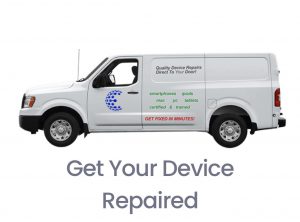
Whether you need same-day laptop repair or a full diagnostic on a connected device, Repair Genius comes to your location so you never have to hand your device to a stranger at a drop-off counter. The technician arrives, explains the fault in plain language, and completes the repair on-site. For customers who want trusted electronics repair in Orlando, Repair Genius is the direct answer.
FAQ
What does a trusted repair technician do?
A trusted repair technician diagnoses device faults, completes professional repairs, and communicates clearly with customers about costs and limitations. The role also includes protecting customer data and providing written guarantees on work completed.
Why does certification matter when choosing a repair technician?
Certifications like I-CAR Gold Class require continuous education, ensuring technicians stay current on new device architectures and manufacturer protocols. A certified technician is more likely to follow proven repair procedures that reduce the risk of recurring failures.
How do repair technicians protect customer data?
Professional technicians use chain of custody logging to record device access times and follow a minimal access principle, touching only the files or settings required for the repair. Customers should also back up data and log out of sensitive apps before handing over any device.
Is an authorized service center always the best choice?
Authorized service centers signal a parts procurement agreement, not necessarily superior technical skill. An independent technician with extensive brand-specific experience often provides more accurate diagnostics and better repair outcomes.
How do I know if a repair technician is trustworthy?
Ask for a written estimate before work begins, verify their most recent certification or training, and read reviews that describe specific interactions rather than just star ratings. A trustworthy technician will explain the fault clearly and provide a written warranty on parts and labor.
Recommended
- The Role of Diagnostic Software in Electronics Repair
- How Repairs Shape Device Resale Value in 2026
- Why Device Repairs Fail: Common Mistakes Explained
- Minimize Device Repair Disruption: A Pro’s Guide